Thailand Cost of Living: The Real Numbers for Expats in 2025
The thailand cost of living conversation online falls into two lazy camps: the "everything is dirt cheap" crowd selling you a dream, and the "actually it's expensive now" contrarians farming engagement. Both miss the point. What stopped me cold when I first landed wasn't that Thailand was cheap — it was that it was cheap and good. Simultaneously. At a level most countries don't achieve at any price point. Street food stalls producing food that would sit comfortably on a Michelin-starred menu in Paris, for 60–80 baht. That combination — quality and price stacked together — is the real story, and it shapes every number in this guide.
This breakdown is for operators: people seriously considering moving to thailand, running a remote business here, or structuring a longer-term life. Concrete numbers, realistic ranges, honest about what's changed.
What Does Thailand Actually Cost Per Month? (Summary Ranges)
Before going line by line, here are the honest monthly budget tiers based on current 2024–2025 data:
| Lifestyle | Monthly Budget (USD) | Monthly Budget (THB) |
|---|---|---|
| Budget expat (local habits) | $800 – $1,200 | 28,000 – 42,000 |
| Comfortable mid-range | $1,500 – $2,500 | 52,000 – 87,000 |
| Comfortable + quality | $2,500 – $4,000 | 87,000 – 140,000 |
| Premium (Bangkok/Phuket) | $4,000 – $7,000+ | 140,000 – 245,000+ |
These are total monthly costs including rent, food, transport, utilities, health insurance, and incidentals. Not including one-time setup costs or visa fees. Note that Chiang Mai runs 15–25% cheaper than Bangkok across most categories; Phuket and Koh Samui run 10–20% more expensive.
Rent in Thailand: What You Pay and Where
Accommodation is where the biggest decisions live, and the variance is enormous.
Bangkok: - Studio in a mid-range condo (On Nut, Ekkamai, Thonglor area): 12,000–20,000 THB/month (~$330–$550) - 1-bedroom in a good building with pool and gym: 18,000–35,000 THB (~$500–$970) - 2-bedroom serviced apartment in central Bangkok (Sukhumvit 1–21): 40,000–80,000 THB ($1,100–$2,200) - High-end condo (Langsuan, Sathorn): 60,000–150,000 THB ($1,650–$4,100)
Chiang Mai: - 1-bedroom modern condo: 8,000–15,000 THB ($220–$415) - Decent house with garden in Nimmanhaemin area: 15,000–25,000 THB ($415–$690)
Phuket (Rawai, Chalong, Kata): - 1-bedroom: 15,000–25,000 THB ($415–$690) - 2-bedroom pool villa: 35,000–70,000 THB ($970–$1,930)
One realistic tradeoff nobody talks about: the cheapest units in Thailand often come with noise issues, aging infrastructure, or poor insulation. A 9,000 THB studio might mean a 4 AM street market outside your window. Spending 15,000–18,000 THB typically gets you to a threshold of actual livability — good AC, security, building maintenance. Below that, budget for frustration.
On thailand real estate ownership: foreigners can't own land freehold in Thailand. You can own a condo unit (up to 49% of a building's units can be foreign-owned), or you can lease land long-term. For most expats, renting remains the pragmatic default, especially until you understand the local market and have legal structures in place.
Food: The Number That Defies Logic
This is where my experience genuinely flabbergasted me — and I'd spent time in Vietnam, Indonesia, and Mexico before. Thailand is the only country I've encountered that consistently pairs low price with high quality at scale. Not occasionally. Systematically.
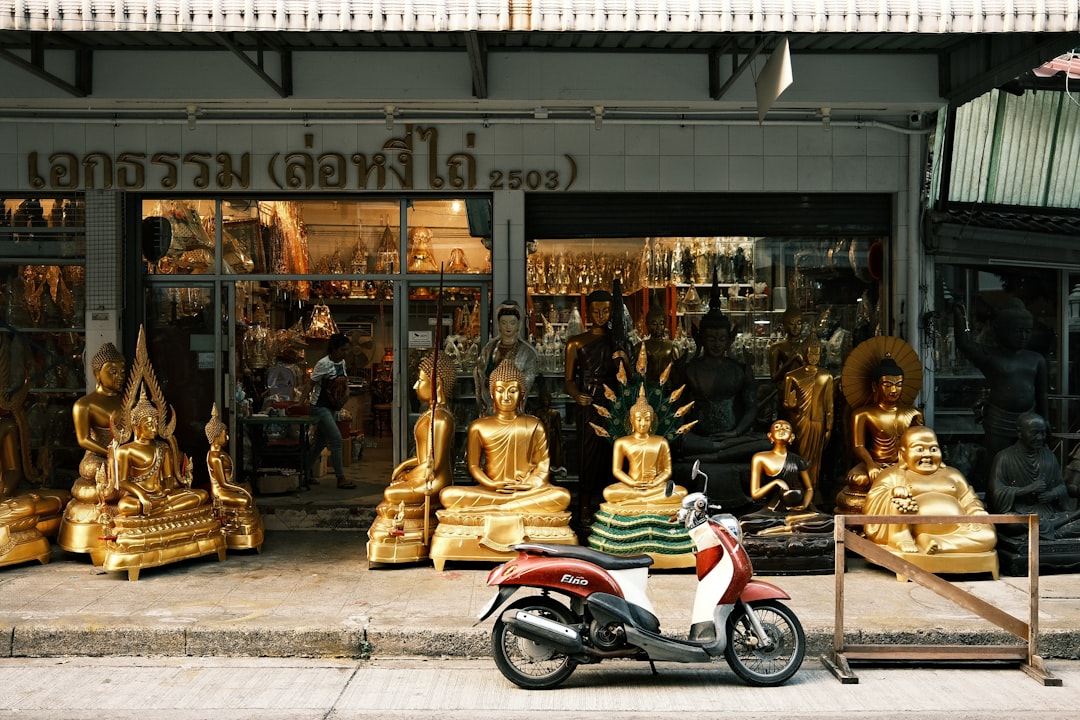
A proper bowl of boat noodles — complex broth, soft pork, herbs — costs 50–70 THB ($1.40–$1.95). A plate of pad see ew from a good street cook: 60–80 THB. Som tam, khao man gai, mango sticky rice, massaman curry — these are dishes that would cost $18–$30 in a Western city. Here they cost $1.50–$3.
What caught me off guard was the portion calibration. Thai portions at street level are intentionally sized — not oversized. You leave satisfied, not stuffed. Which means you can eat two dishes without waste and still spend under 150 THB total. The food culture is genuinely optimized.
Realistic monthly food costs: - Eating local (80%+ street food and local restaurants): 6,000–10,000 THB ($165–$275) - Mixed diet (street food + occasional Western restaurants): 12,000–20,000 THB ($330–$550) - Primarily Western food, supermarkets, imported goods: 25,000–40,000 THB ($690–$1,100)
Cooking at home from supermarkets (Villa Market, Tops, Gourmet Market) costs more than eating out locally — this is the inverse of most Western countries and takes adjustment. A bottle of imported wine can cost $20–$40. A beer at a rooftop bar in Silom, $5–$8. Import taxes are real and add up fast if you live a Western-consumption lifestyle.
Transport: Cheap if You Adapt, Moderate if You Don't
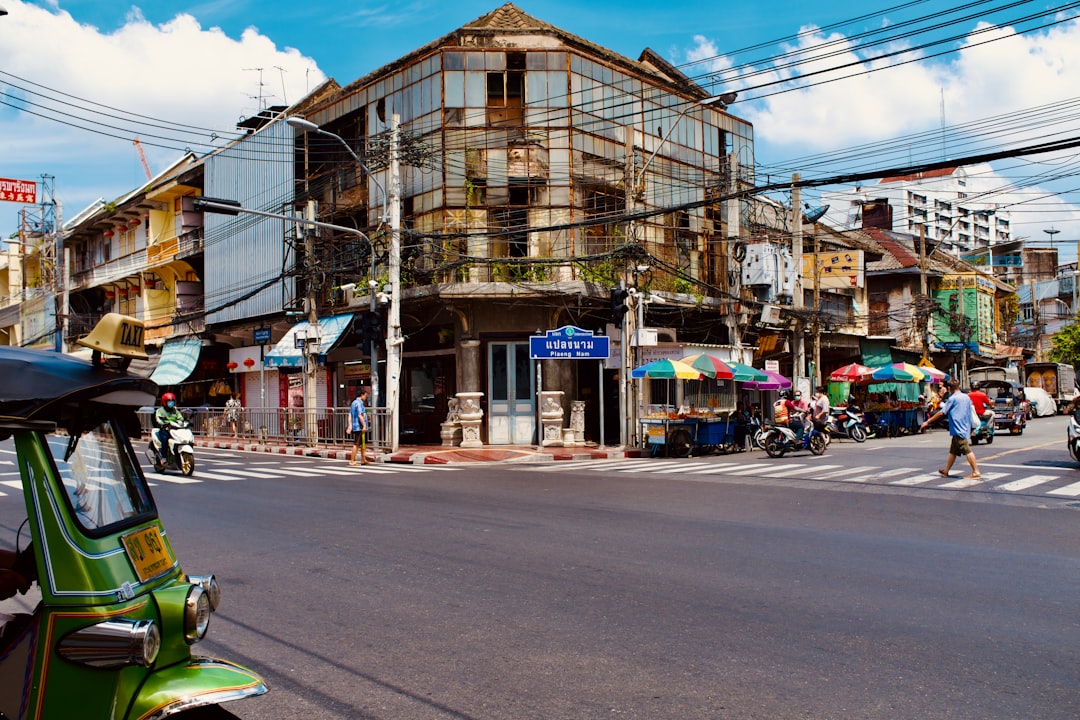
Within Bangkok: - BTS/MRT (subway/skytrain): 16–59 THB per trip ($0.45–$1.65). A monthly rabbit card with reasonable usage: 1,500–2,500 THB ($42–$69) - Grab (rideshare): 80–200 THB for most in-city trips ($2.20–$5.50) - Motorbike taxi: 15–50 THB ($0.40–$1.40) for short hops - Tuk-tuk: Negotiated, mainly tourist-priced now — not efficient for daily use
Owning vs. renting a vehicle: A Honda PCX motorbike rents for 3,000–4,500 THB/month ($83–$124). Buying a second-hand scooter runs 25,000–50,000 THB ($690–$1,380). Outside of Bangkok, owning a bike is essentially mandatory for quality of life. Inside Bangkok, the BTS/MRT network covers enough of the city that many expats go car-free entirely.
Monthly transport budget for Bangkok with mixed BTS + Grab: 3,000–5,000 THB ($83–$138). Monthly transport for Chiang Mai with a rented scooter: 3,500–5,500 THB ($97–$152).
Utilities and Internet
Electricity: This is one of the more variable costs and can surprise people. Thailand's electricity rates are reasonable (around 3.50–4.50 THB per kWh), but AC usage in a hot climate runs high. Expect 800–2,500 THB/month ($22–$69) depending on unit size and usage discipline. A 1-bedroom with AC running most of the day: 1,500–2,000 THB is realistic.
Internet: AIS, DTAC (now merged), True Move — fibre broadband is widely available in Bangkok and major cities. 500 Mbps–1 Gbps plans: 500–700 THB/month ($14–$19). Mobile data SIM: 200–400 THB/month for unlimited or near-unlimited plans. Internet infrastructure in Thailand is genuinely solid for remote work.
Water: 100–300 THB/month.
Total utilities (1-bedroom, Bangkok): 2,000–4,000 THB/month ($55–$110).
Health Insurance and Healthcare
Private hospitals in Thailand (Bumrungrad, Bangkok Hospital, Samitivej) deliver care at a level that competes with the best Western private hospitals — at roughly 30–50% of the cost. A GP consultation: 500–1,500 THB ($14–$42). A specialist visit: 1,000–3,000 THB ($28–$83). Dental cleaning: 500–1,200 THB ($14–$33).
Health insurance is not optional if you're living here long-term. Local Thai health insurance for a healthy 30–40 year old: 15,000–40,000 THB/year ($415–$1,100). International health insurance with global coverage: $800–$2,500/year depending on age and plan. The tradeoff: cheaper local insurance often excludes repatriation coverage and has annual limits that become insufficient for serious conditions.
Budget 1,500–3,500 THB/month ($42–$97) for insurance depending on your age, coverage, and risk tolerance.
Visa Costs and the Real Entry to Long-Term Living
The visa picture in Thailand has shifted meaningfully. The main options for long-stay expats:
Thailand Elite Visa (now Thailand Privilege Card): A government scheme offering 5–20 year multiple-entry visas. Entry-level 5-year: 900,000 THB (~$24,750). 20-year: 2,900,000 THB (~$79,750). High upfront cost, but eliminates visa run overhead and provides privileged airport services. Worth modelling against visa run costs over a 5-year horizon for serious long-termers.
Thailand Retirement Visa (Non-OA): Available at 50+. Requires proof of 800,000 THB ($22,000) in a Thai bank account, or income of 65,000 THB/month ($1,790). Annual renewal. No work permission.
LTR (Long-Term Resident) Visa: Launched 2022. Targets remote workers, wealthy retirees, and skilled professionals. 10-year visa, work from Thailand allowed (for the remote work category). Income requirement: $80,000/year for the previous 2 years. This is the cleanest option for high-earning remote operators.
Thailand Digital Nomad / METV / Tourist Visas: Lower threshold but require exits or extensions every 30–90 days. Fine for testing the country, structurally inefficient for building a life here.
Full thailand visa requirements and the tax implications of each structure deserve their own analysis — particularly the 2024 tax rule changes that affect foreign-sourced income remitted to Thailand.
Thailand Tax: What It Means for Your Cost Model
As of 2024, Thailand changed its foreign income tax rules. Previously, income earned abroad and remitted to Thailand in a different tax year was exempt. That loophole closed: all foreign-sourced income remitted to Thailand is now potentially taxable, regardless of when it was earned.
For thailand expat operators running businesses remotely or drawing from foreign sources, this is material. Thailand's progressive income tax runs from 0% (under 150,000 THB) up to 35% for income over 5,000,000 THB. There are deductions and treaty protections depending on your home country.
The full breakdown is in our guide on Thailand Tax: What Expats Actually Pay (And What You Can Legally Avoid) — but the key point for cost modelling: factor in potential tax liability before assuming your effective cost of living is just rent + food. Depending on your income structure and residency days, thailand tax exposure could meaningfully change the total cost equation.
The Full Monthly Budget, Realistically Built
Here's a mid-range expat budget for Bangkok, built line by line:
| Category | Monthly THB | Monthly USD |
|---|---|---|
| Rent (1BR condo, good area) | 18,000 | $500 |
| Food (mixed local/Western) | 15,000 | $415 |
| Transport (BTS + Grab) | 4,000 | $110 |
| Utilities (electric, water, internet) | 3,000 | $83 |
| Health insurance | 2,500 | $69 |
| Entertainment / gym / misc | 5,000 | $138 |
| Total | 47,500 | ~$1,315 |
This is a comfortable, quality life in Bangkok — not a budget life, not luxury. You're eating well (including some nice restaurants), living in a clean modern building, using infrastructure reliably, and not stressing about incidentals. For Chiang Mai, subtract 15–20% across most categories.
Where the Value Ratio Breaks Down
Honest tradeoffs, because this isn't a sales pitch:
Import costs are punishing. Any lifestyle anchored to Western products — wine, cheese, specific electronics, branded clothing — will cost close to Western prices or more due to import taxes. The value ratio works when you adapt to local consumption patterns.
Phuket tourist pricing is real. Tourist zones price for tourists. A beach club cocktail in Patong is $8–$12. Accommodation near famous beaches in high season can approach European pricing. Thailand's cost advantage is strongest away from peak tourist infrastructure.
Quality variance at the bottom. Very cheap accommodation (under 8,000 THB/month) and very cheap transport (relying only on songthaews) often means compromising on reliability, safety, or sleep quality. The floor isn't zero — there's a real minimum threshold for sustainable living.
Healthcare for serious conditions. Thai private hospitals are excellent for most needs. For highly specialized oncology, complex surgeries, or neurological conditions, many expats choose to return home or travel to Singapore. Build that into your long-term risk model.
FAQ
How much money do you need to live comfortably in Thailand?
For a single person, a monthly budget of $1,500–$2,500 USD (52,000–87,000 THB) provides a genuinely comfortable life in Bangkok — good accommodation, mixed dining, travel within the country, and health insurance covered. Chiang Mai is achievable at $1,200–$1,800. Below $1,000/month is possible but requires living primarily on local habits with minimal imported goods or social spending.
Is Thailand cheaper than Vietnam or Indonesia for expats?
Thailand is slightly more expensive than Vietnam on a like-for-like basis, particularly for rent in major cities. However, Thailand's infrastructure, healthcare quality, and food quality arguably deliver better value per dollar than Vietnam at equivalent price points. Bali (Indonesia) is comparable to mid-range Bangkok for accommodation but less competitive for food and transport. Thailand wins on the quality-to-price ratio overall.
Can I retire in Thailand on $2,000 a month?
Yes, comfortably in Chiang Mai or secondary cities, and adequately in Bangkok. The Thailand retirement visa requires you to be 50+ and maintain 800,000 THB in a Thai bank account (roughly $22,000). On $2,000/month, you'd live well eating locally, renting a decent 1-bedroom, covering health insurance, and having budget remaining for travel within the country. Premium lifestyle or heavy Western consumption habits would strain that budget in Bangkok.
Has the Thailand cost of living increased significantly recently?
Yes, meaningfully since 2019. Post-COVID inflation, increased expat demand in cities like Chiang Mai and Bangkok, and global supply chain effects have pushed rents up 15–30% in popular areas since 2020. Food costs have risen modestly (5–15%). Thailand is no longer a "dirt cheap" destination by Southeast Asian standards, though it remains exceptional value compared to Western countries. Budget planning with current 2024–2025 numbers rather than articles from pre-2022 is essential.
What is the best visa for a remote worker moving to Thailand?
For high earners ($80,000+ annual income), the LTR Visa is the cleanest option — 10 years, work from Thailand permitted, streamlined process. For those under that threshold, the Thailand Elite Visa (now Thailand Privilege Card) provides long-term certainty for a one-time fee. Standard tourist visa extensions work for testing the country but aren't a sustainable long-term strategy. Always pair your visa choice with advice on thailand tax implications, as your residency status directly affects income tax exposure.