Moving to Thailand: What Actually Happens After You Land
Most people planning on moving to Thailand pack a return ticket. Twelve years ago, that was me. One bag, a tourist visa, and a vague plan to "check it out for a few months." I never used that return flight. The same story plays out with almost everyone I've spoken to through Thailand Wealth Insider — different backgrounds, different industries, different ages — but the pattern is almost universal: we came, we saw, we stayed.
This article isn't a travel blog entry. It's a systems map for people seriously considering the move — covering visa architecture, real cost of living numbers, tax positioning, property rules, and the practical tradeoffs nobody puts in the brochure. If you want romanticized expat fantasy content, this isn't that. If you want to understand how the system actually works before you commit, keep reading.
Why People Keep Choosing Thailand Over Other Southeast Asian Destinations
Thailand isn't the cheapest country in Southeast Asia. Vietnam and Indonesia can undercut it on raw costs. It isn't the easiest for long-term visa access — Portugal and Malaysia beat it there. And its property laws are among the most restrictive in the region for foreigners.
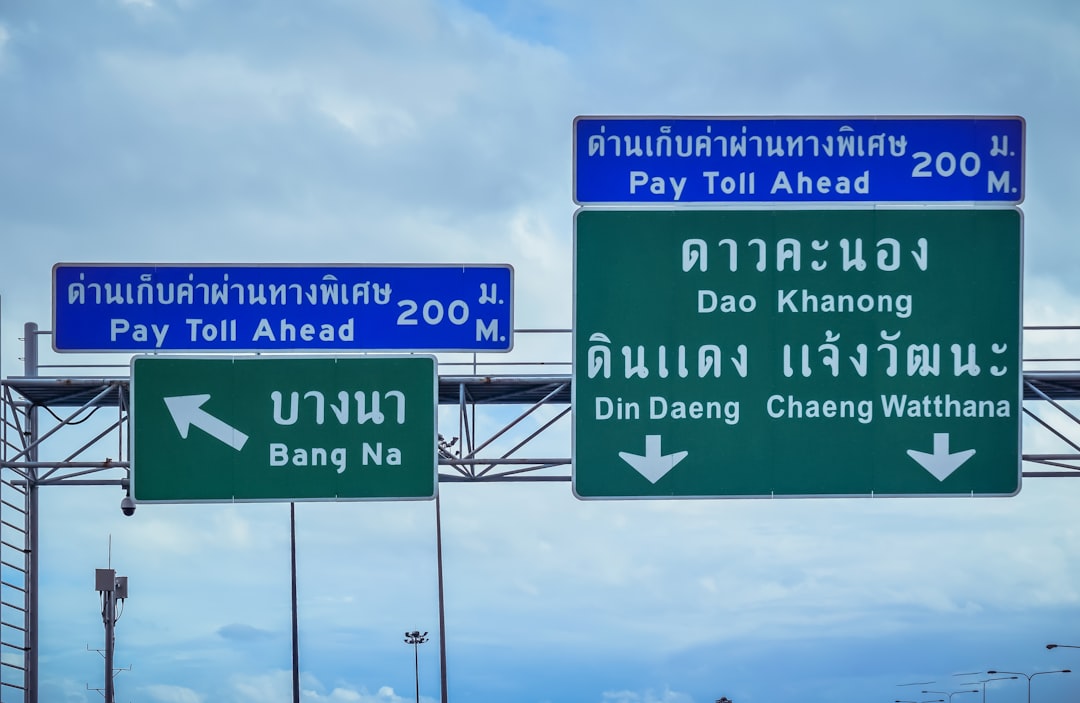
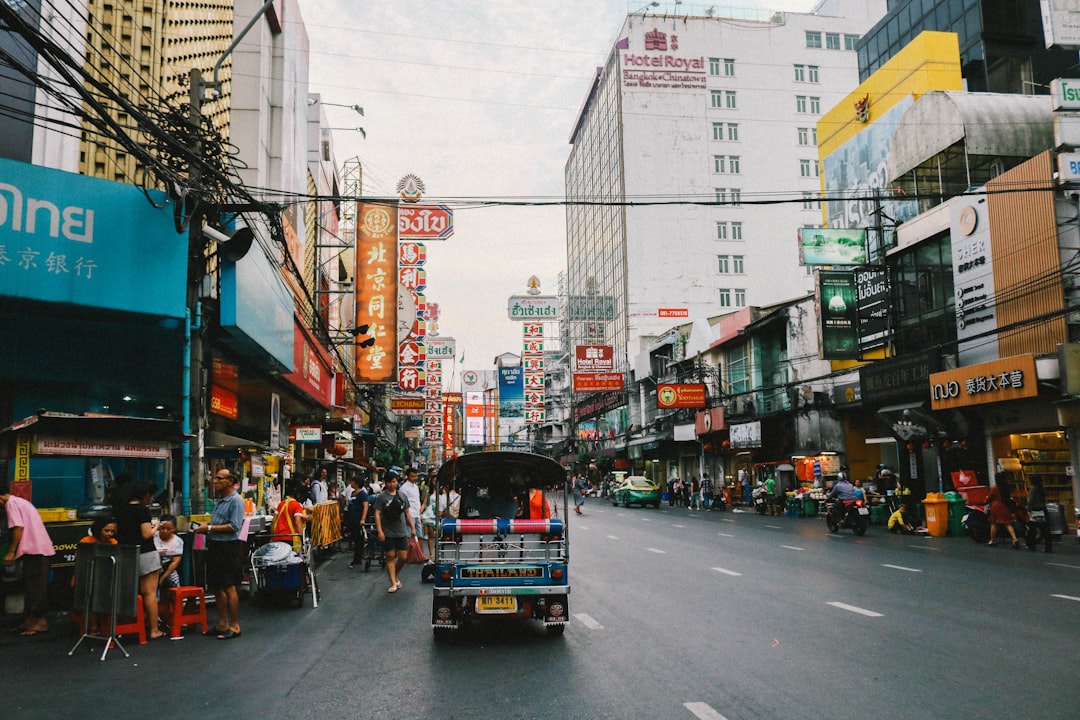
So why does Thailand win? Infrastructure, food quality, medical care, and social density of the expat network. Bangkok has world-class private hospitals where a consultation runs $20–40 USD. The food infrastructure — street food, supermarkets, delivery apps — is arguably the best in Asia. The country has a functioning expressway system, functional airports in every major city, and 4G/5G coverage that most Western cities would envy.
For remote workers and retirees specifically, the combination of livability, affordability relative to Western standards, and climate makes it a near-unbeatable package in the $2,000–$5,000/month range.
Thailand Visa Options: The Real Architecture
This is where most moving guides get lazy. They list visa types without explaining the strategic logic. Here's how to actually think about Thailand's visa system.
Tourist Visa and Visa Exemption (Entry Point)
Most nationalities get 30–60 days visa-exempt on arrival. You can extend this once at an immigration office for 1,900 THB (roughly $55 USD). This is how most people start. It's not a long-term solution, but it's enough time to test a city, find accommodation, and figure out which longer-term route fits.
The old "visa run" model — hopping to a border every 30–60 days — still works but immigration officers are increasingly skeptical of people doing this repeatedly without a declared income base or enrollment in a program. It's not illegal, but it creates friction over time.
Non-Immigrant Visa Categories Worth Knowing
- Non-Immigrant O-A (Retirement Visa): Available to people 50+. Requires either 800,000 THB (~$22,000 USD) in a Thai bank account, a monthly pension/income of 65,000 THB (~$1,800 USD), or a combination. Renewable annually.
- Non-Immigrant B (Business Visa): Requires a Thai company sponsorship or your own BOI/registered company. The standard route for people running businesses here.
- LTR Visa (Long-Term Resident): Launched in 2022, this is Thailand's attempt at attracting high-net-worth individuals and remote workers. Categories include Wealthy Global Citizens ($1M+ assets), Digital Nomads (Wealthy Pensioners earning $80k+/year), and Highly Skilled Professionals. The LTR gives a 10-year renewable stay with work authorization and real tax benefits.
Thailand Elite Visa (Now Thailand Privilege)
The Thailand Elite program — rebranded to Thailand Privilege — remains one of the cleanest long-term solutions for people who don't meet the LTR income thresholds and aren't yet 50. You pay a lump-sum fee (starting around 600,000 THB / ~$17,000 USD for a 5-year entry) and receive a renewable privilege entry visa with multiple entries, airport fast-track service, and zero income requirements. No need to maintain a Thai bank balance. No annual reapplication.
The tradeoff: it's a significant upfront cost, and it doesn't provide a work permit automatically. If you're running a business or working for a Thai employer, you'll still need separate work authorization.
For people with remote income above Thai soil, the tax implications of your visa choice matter significantly — which connects directly to the Thailand tax question every incoming expat eventually faces.
Thailand Cost of Living: What the Numbers Actually Look Like
I've watched the cost of living in Thailand shift considerably over 12 years. Post-COVID, Bangkok especially has seen a noticeable increase in rental prices and imported goods. The "live like a king on $500/month" narrative is dead in any major city.
Here are realistic monthly budget ranges in 2025, in USD, for Bangkok:
| Lifestyle Tier | Monthly Budget |
|---|---|
| Budget (local neighborhood, motorbike, street food) | $1,200–$1,800 |
| Mid-range (decent condo, some restaurants, car or Grab) | $2,500–$4,000 |
| Comfortable (Sukhumvit/Sathorn condo, dining out regularly) | $4,500–$7,000 |
| Premium (serviced apartment, private school kids, frequent travel) | $8,000+ |
Chiang Mai runs about 20–35% cheaper than Bangkok across the board. Phuket and Koh Samui are volatile — beachside rentals can rival Bangkok pricing, especially in peak season.
The detailed breakdown of housing, food, transport, and healthcare costs — including real numbers from people living them — is covered in depth in our Thailand cost of living guide.
The single biggest cost variable most people underestimate: schooling for children. International schools in Bangkok run 400,000–900,000 THB/year ($11,000–$25,000 USD) per child. If you have two kids in international school, that single line item can reshape your entire budget calculation.

Thailand Tax: The Question You Need to Answer Before You Move
Starting January 2024, Thailand updated its tax rules in a way that changed the calculus for incoming expats. Previously, foreign-sourced income was only taxable if remitted to Thailand in the same calendar year it was earned. The new rule: foreign income remitted to Thailand from any year is now assessable, regardless of when it was earned.
This matters enormously for people planning to move money into Thai bank accounts or fund a Thai lifestyle from overseas earnings.
The structure: Thailand uses a progressive personal income tax rate from 5% to 35%. There are double tax agreements (DTAs) with over 60 countries, which can reduce or eliminate certain income categories from Thai taxation — but DTA relief is not automatic and requires proper filing.
Key point: your visa type does not determine your tax residency. In Thailand, 180 days of physical presence in a calendar year makes you a tax resident. This applies regardless of whether you're on a tourist visa, Elite/Privilege visa, or LTR visa.
The LTR Wealthy Global Citizen and LTR Wealthy Pensioner categories do come with a flat 17% personal income tax rate on Thai-sourced income — a meaningful benefit for those qualifying.
The short version: before you transfer $100,000 into a Thai bank account to meet a retirement visa threshold, understand how that money will be classified. Get a Thai tax advisor involved early. The compliance cost of doing this right from the start is a fraction of the cost of fixing it later.
Thailand Real Estate: What Foreigners Can and Can't Own
Thailand's property laws are restrictive for foreigners, and they're unlikely to change soon. Here's the clear-cut version:
What foreigners CAN own outright: - Condominium units, provided the building's foreign ownership quota (49% of the total sellable floor area) hasn't been reached - Structures (buildings), though not the land beneath them
What foreigners CANNOT directly own: - Land in their personal name
Workaround structures: - Long-term leasehold: 30-year leases are the standard, with an option to renew for an additional 30 years typically written into the contract (though the renewal is not legally guaranteed) - Thai company structure: Owning land through a Thai Limited Company where you hold non-voting preference shares and a Thai nominee holds voting shares. This is legally gray, widely practiced, and carries real risk if enforcement priorities shift - Thai spouse: Land can be titled in a Thai spouse's name, which introduces its own legal and relationship risk considerations
For most urban-based expats in the first 1–3 years, renting is the rational choice. The rental market in Bangkok is well-developed, leases are straightforward, and you maintain flexibility while you figure out which district actually suits how you live. The condo purchase conversation becomes relevant once you have a stable visa, a clear location preference, and a 5+ year horizon.
Thailand Permanent Residency: The Long Game
Thailand Permanent Residency (PR) exists but is deliberately limited — approximately 100 spots per nationality per year are issued, and the process takes 1–2 years with no guarantee. Requirements include:
- 3+ years of consecutive Non-Immigrant visa status before applying
- Meeting income thresholds (generally 80,000 THB/month or 100,000 THB/month depending on nationality category)
- Thai language proficiency (basic interview level)
- Criminal background clearance
The PR application window typically opens in October–December each year. It's not the most reliable path to long-term security, which is why many experienced expats prioritize the Elite/Privilege visa or LTR visa as their primary stability mechanism rather than waiting on PR.
The Practical First 90 Days: A Systems Checklist
This is what actually needs to happen after you land, in roughly logical order:
- Secure accommodation — Short-term furnished rentals (AirBnB or agent-sourced) for the first 30–60 days while you learn the neighborhoods
- Open a Thai bank account — Bangkok Bank and Kasikorn Bank are the standard expat choices; you'll need a valid visa with sufficient time remaining and a local SIM
- Get a Thai SIM — AIS and DTAC/True are the reliable carriers; long-term data plans start around 300–600 THB/month
- Obtain a Thai Tax ID (TIN) — If you'll be here 180+ days, do this proactively through the Revenue Department
- Register your address — File a TM30 notification (this is the landlord's legal obligation but you'll often need to prompt them)
- Establish a healthcare base — Get international health insurance before you arrive if possible; get familiar with your nearest private hospital
At Thailand Wealth Insider, we've walked through this checklist with people from dozens of countries — retirees from Europe, remote workers from the US, entrepreneurs from Australia. The backgrounds differ but the friction points are almost always the same: banking access, tax clarity, and the visa-to-work-authorization gap. Getting these three sorted in the first 90 days removes 80% of the stress that causes people to give up and leave prematurely.

The Honest Tradeoffs Nobody Tells You
A complete picture requires honesty about what doesn't work well.
Bureaucracy is real and slow. Immigration queues, bank account opening requirements, and government processes generally operate at their own pace. Factor in time and occasional frustration.
Air quality in the north is seasonal. Chiang Mai experiences severe smoke season (roughly February–April) from agricultural burning. AQI regularly hits hazardous levels. For people with respiratory conditions or families with young children, this is a non-trivial consideration.
Healthcare is excellent privately, variable publicly. Thailand's private hospital system — Bumrungrad, Bangkok Hospital Group, Samitivej — is genuinely world-class. The public system is a different experience. International health insurance is not optional for serious expats.
Language ceiling. Thai is genuinely difficult. Most service interactions in Bangkok work fine in English, but the further you move from urban centers — and the deeper you go into bureaucracy — the more language barrier friction you encounter. This rarely blocks the move but it does define a ceiling on how integrated you can become.
Property ownership complexity. Outlined above — if you want to own land, the legal structures available to foreigners all carry tradeoffs. There is no clean solution.
None of these tradeoffs have stopped the people in our network from staying. But walking in with clear eyes about them means you adapt faster and commit more deliberately.
FAQ
How much money do I need to move to Thailand?
The minimum practical setup fund — covering first month's rent deposit, SIM, bank account funding, visa extensions, and a buffer for unexpected costs — is roughly $3,000–$5,000 USD. This is separate from your ongoing monthly budget. If you're applying for a retirement visa, you'll need to demonstrate 800,000 THB (~$22,000 USD) in a Thai bank account, though that money remains accessible to you.
Do I need to pay tax in Thailand as an expat?
If you spend 180 or more days in Thailand in a calendar year, you are a Thai tax resident and foreign income remitted to Thailand is assessable under 2024 rules. Whether you actually owe tax depends on your income type, your country of origin, any applicable double tax agreement, and your filing position. The Thailand tax guide covers this in detail. Get professional advice before large transfers.
What's the best visa for a long-term expat who isn't 50 yet?
For people under 50 without a BOI company or Thai employer, the Thailand Privilege (formerly Elite) visa and the LTR Digital Nomad (officially "Work-From-Thailand Professional") visa are the two strongest options in 2025. The LTR requires demonstrable remote employment income and employer documentation. The Privilege visa requires upfront payment but has no income requirement. Which fits depends on your situation.
Can foreigners buy property in Thailand?
Foreigners can own condominium units outright (subject to the building's 49% foreign quota being available). Foreigners cannot own land in their personal name. Leasehold structures (30-year renewable leases) and Thai company structures are common workarounds, each with its own legal risk profile. For most new arrivals, renting for the first few years while building local knowledge is the pragmatic approach.
Is Thailand good for families with children?
Yes, with budget planning. Bangkok and Chiang Mai have strong international school networks covering British, American, IB, and other curricula. The tradeoff is cost — international school fees are the dominant expense for expat families and need to be central to your financial planning. Quality of life outside of school — safety, food, activities, healthcare — is genuinely excellent for families.